Beyond Horsepower: Helping Drag Racing Engine Builders Compete in a More Demanding Market
June 9, 2026
Why More Drag Racing Shops Are Rethinking Their Testing Strategy
For today’s drag, street, strip, road racing, and rally engine builders, the challenge is no longer just building horsepower. It’s building repeatable performance, shortening development cycles, improving customer confidence, and protecting profitability in an increasingly competitive market.
Customer expectations have changed. Engine programs are becoming more complex. Parts combinations are evolving faster. Tuning windows are tighter. At the same time, labor shortages, rising material costs, and compressed project timelines are forcing performance shops to do more with fewer resources.
The pressure to deliver more — with fewer resources — has never been higher.
Many shops and builders are also facing a familiar operational problem: too much time spent diagnosing issues after installation instead of validating performance before delivery.
That creates serious business challenges:
- Lost dyno and shop time
- Increased rework and re-tuning
- Inconsistent customer results
- Reduced throughput
- Missed delivery timelines
- Reputation risk
- Lower profitability
As competition increases across sportsman racing, bracket racing, heads-up classes, and high-horsepower drag programs, testing strategy has become a direct competitive advantage.
The most successful engine builders today are using dyno testing, airflow development, and data acquisition to improve consistency, shorten development cycles, and create a better customer experience.
That is where SuperFlow helps drag racing builders move beyond traditional dyno testing.
From Dyno Equipment Supplier to Business Performance Development Partner
For decades, SuperFlow has worked alongside drag racing engine builders, racing teams, performance development facilities, and tuning specialists to help improve engine validation and testing capability.
But the conversation has evolved beyond equipment specifications.
Today’s builders are looking for ways to:
- Improve testing efficiency
- Reduce tuning uncertainty
- Increase repeatability
- Modernize aging dyno infrastructure
- Improve technician productivity
- Deliver more professional customer experiences
- Support long-term shop growth
SuperFlow helps performance shops build scalable testing environments designed around their applications, workflows, and operational goals — not one-size-fits-all hardware packages.
Whether the objective is upgrading an aging dyno cell, improving airflow development, modernizing data acquisition, or expanding calibration capability, the focus remains the same: helping shops improve business outcomes.
The New Reality for Drag Racing Engine Builders
The drag racing market has become significantly more competitive over the past several years.
Customers are investing more money into engine programs and expecting higher levels of consistency, documentation, and support. Engine combinations are becoming more sophisticated. Tuning windows are tighter. Parts packages evolve rapidly.
At the same time, many shops are operating with limited technician resources while trying to increase throughput.
That combination creates pressure on every stage of the development process.
Builders can no longer afford excessive retesting, inconsistent dyno procedures, or outdated control systems that slow productivity.
The shops gaining momentum are standardizing workflows, modernizing testing environments, and using data more strategically to improve both performance and operational efficiency.
Improving Repeatability and Customer Confidence
For drag racing engine builders, repeatability is everything.
Customers want engines that produce consistent results run after run — not just impressive peak numbers on a dyno sheet.
Modern engine testing solutions help shops validate combinations more efficiently while reducing costly troubleshooting after delivery.
Application-focused testing platforms combined with upgraded control systems and modern software help builders:
- Improve tuning precision
- Capture higher-quality test data
- Reduce setup inconsistencies
- Improve operator efficiency
- Accelerate engine validation
- Support faster customer signoff
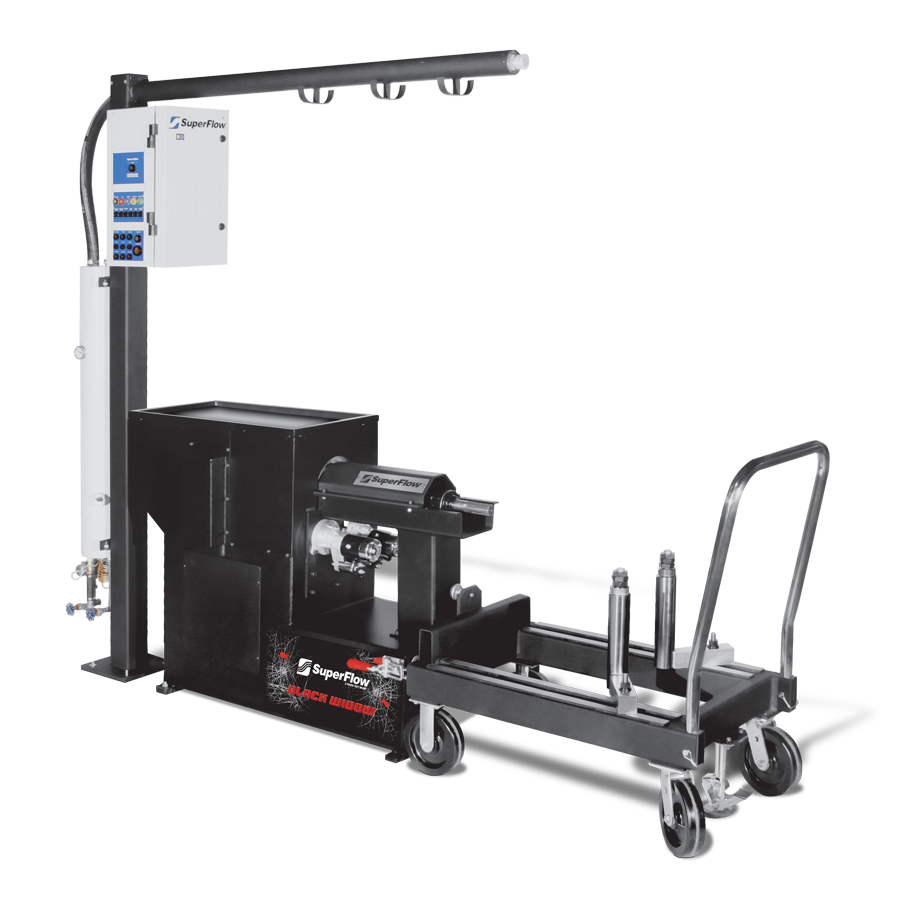
For high-horsepower drag racing applications, the SuperFlow SF-Black Widow engine dynamometer has become a preferred solution for builders requiring exceptional low-speed torque absorption and high-RPM capability in a single platform.
Designed specifically for demanding drag racing environments, the SF-Black Widow supports applications ranging from high-revving naturally aspirated combinations to extreme boosted and Pro Mod engine programs, with capability up to 3,000 horsepower and absorber speeds reaching 11,000 RPM to help builders validate aggressive engine combinations with greater precision and repeatability.
The SF-Black Widow’s stainless-steel absorber design improves long-term durability while automated testing and WinDyn5 data acquisition help streamline workflows, standardize testing procedures, and improve consistency from one engine program to the next.
Airflow Development Is Becoming More Critical
As drag racing engine programs continue pushing for higher efficiency and tighter performance margins, airflow development is playing a larger role earlier in the engine build process. Builders are placing greater emphasis on validating cylinder head performance, induction efficiency, and port development before engines ever reach final dyno testing.
The goal is not simply achieving bigger airflow numbers. It is improving real-world engine efficiency, reducing development uncertainty, and creating more repeatable combinations.
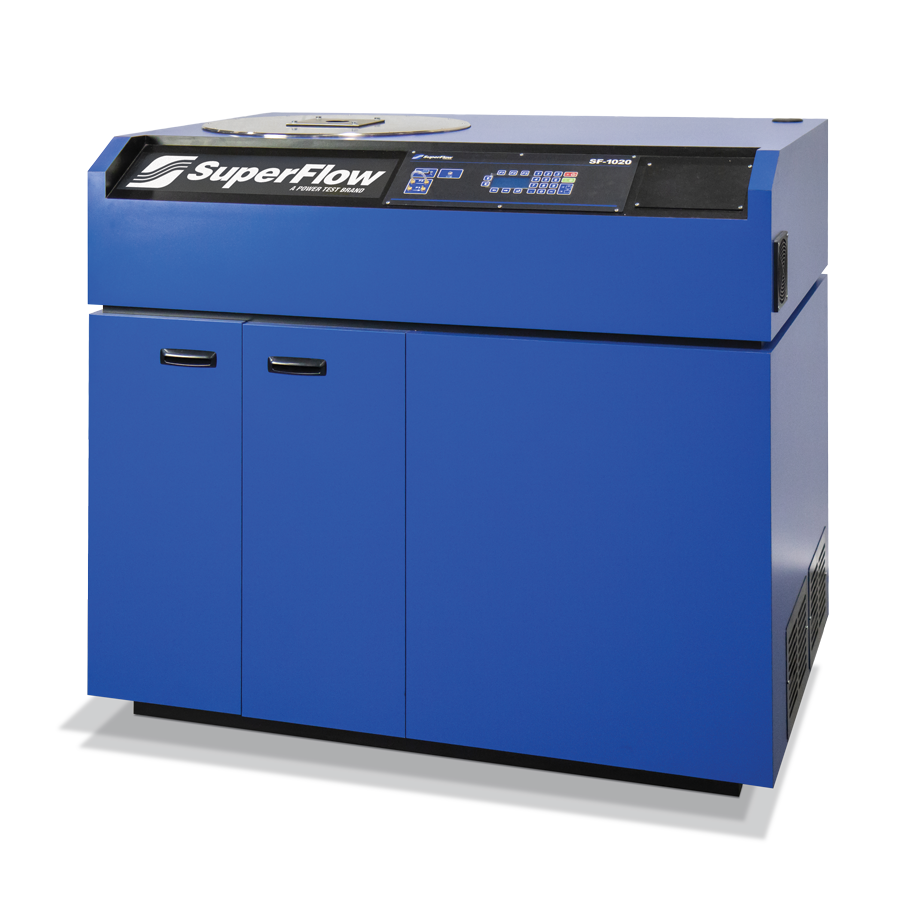
SuperFlow Flowbench systems help builders:
- Evaluate cylinder head performance
- Identify airflow restrictions
- Compare port development changes
- Improve component consistency
- Reduce wasted development time
For shops balancing custom engine programs with production demands, airflow validation helps improve consistency while supporting faster turnaround times.
Why Modernization Matters Right Now
Many drag racing shops are still operating dyno infrastructure that was installed years—or even decades—ago. While these systems may still function mechanically, aging controls, outdated software, limited data visibility, and inconsistent workflows can quietly reduce productivity and create long-term support challenges that impact day-to-day efficiency.
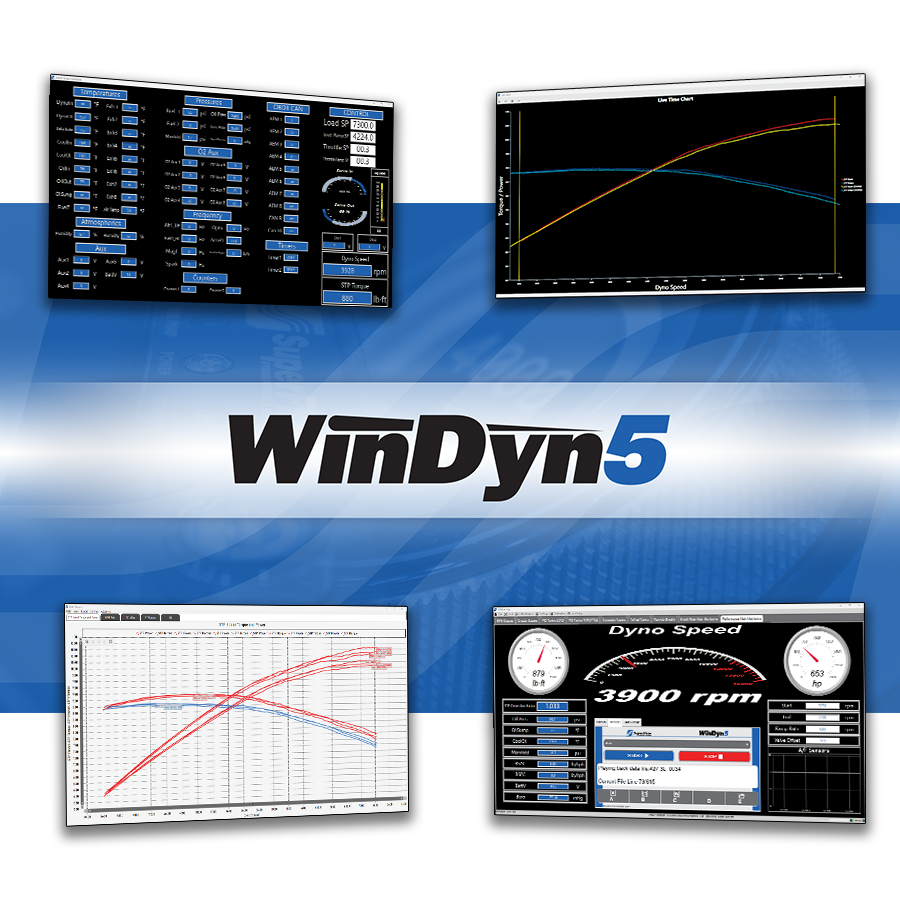
For shops looking to extend the life and capability of their existing equipment, WinDyn5 upgrades and conversions offer a practical modernization path without the need to replace the entire dyno system. These upgrades improve usability, expand reporting and data visibility, enhance long-term supportability, and streamline workflows—helping shops operate more efficiently and stay competitive in a rapidly evolving drag racing market.
The market is moving quickly. Shops are facing:
- Greater competition from specialized builders
- Increasing customer expectations
- Rising labor and operating costs
- More sophisticated tuning workflows
- Difficulty hiring experienced technicians
- Pressure to improve throughput and efficiency
Modernization today is no longer simply about adding horsepower capability. It is about creating a more scalable, efficient, and competitive business.
The shops investing in modernization now are improving:
- Workflow consistency
- Technician productivity
- Data visibility
- Customer confidence
- Testing repeatability
- Long-term operational scalability
Those advantages directly impact profitability, customer retention, and long-term growth.
Built on Decades of Drag Racing Experience
SuperFlow’s reputation in the performance market was built through decades of real-world engine testing experience across thousands of installations worldwide.
SuperFlow systems continue to support:
- Drag racing engine builders
- High-performance machine shops
- Racing development programs
- Independent tuning facilities
- Educational institutions
- Performance research environments
That installed base represents more than longevity.
It reflects decades of field-proven reliability, application expertise, and trusted performance across some of the industry’s most demanding testing environments.
Just as importantly, SuperFlow continues helping customers modernize existing investments while preparing for future growth.
A Smarter Approach to Drag Racing Performance Development
The most competitive drag racing engine builders are no longer viewing dyno equipment as standalone hardware.
They are building integrated development strategies around:
- Engine validation
- Airflow development
- Data acquisition
- Repeatable testing processes
- Workflow efficiency
- Faster tuning refinement
That shift is creating measurable competitive advantages for shops focused on long-term growth.
SuperFlow’s role is not simply supplying testing equipment. It is helping drag racing builders identify operational bottlenecks, modernize aging infrastructure, improve testing capability, and create scalable development environments that support stronger business performance.
Let’s Talk About Your Shop’s Testing Strategy
Whether you are modernizing an aging dyno cell, improving airflow development capability, upgrading data acquisition systems, or looking to create a more scalable engine development process, SuperFlow can help evaluate the right path forward for your operation.
Connect with the SuperFlow team to discuss your shop’s goals, testing challenges, and modernization priorities — and explore how the right testing strategy can help improve consistency, efficiency, and long-term competitiveness.
